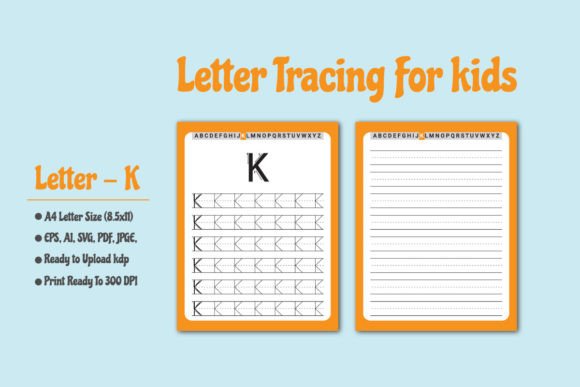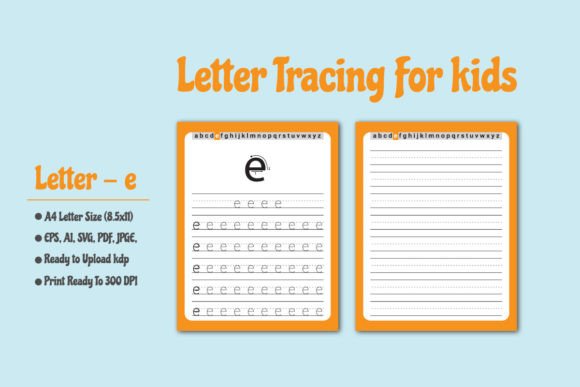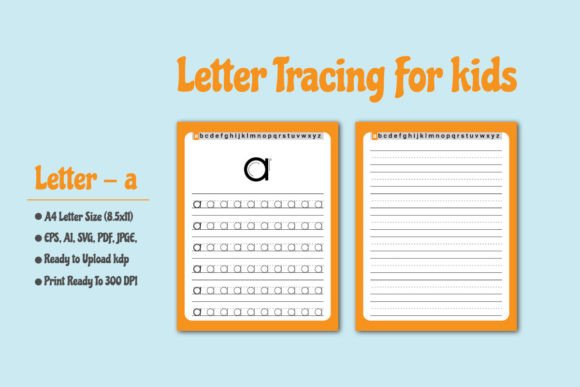
Kids Letter Tracing Worksheet - M
A Designer’s First Look: Clean, Friendly, and Purpose-Built
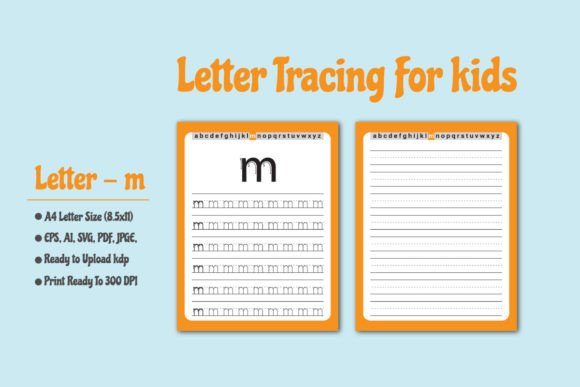
When I opened Kids Letter Tracing Worksheet - M, my first thought wasn’t “cute” — it was “functional.” The letterform is rounded, open, and generously spaced — no tight corners or fragile serifs. That tells me this isn’t just a decorative graphic; it’s designed for early learning *and* real-world embroidery use. As someone who’s stitched hundreds of letter-based designs onto baby onesies, boutique tea towels, and personalized tote bags, I immediately pictured how this ‘M’ would behave under needle and thread: smooth satin stitch curves, forgiving fill areas, and zero risk of thread nesting in cramped interior angles.
Where This Design Truly Shines (and Where It Fits Best)
I recently used Kids Letter Tracing Worksheet - M to create a set of nursery-themed embroidered pillow covers for a local boutique. We paired it with soft pastel threads on 100% cotton twill — and the result felt both educational and heirloom-quality. That’s the sweet spot: Kids Letter Tracing Worksheet - M excels in projects where clarity, warmth, and gentle intention matter. Think custom sweatshirt embroidery for preschool teachers, embroidered patches for daycare staff uniforms, or monogrammed kitchen towels sold at craft fairs. It’s also ideal for Etsy sellers offering printable mockups — the clean vector files (AI, EPS, SVG) scale beautifully for digital previews without pixelation.
This isn’t a bold statement font for stadium banners. It’s a quiet, confident design built for intimacy: baby embroidery on onesies and burp cloths, holiday embroidery on handmade stockings, or personalized gifts like embroidered storybook covers. Its visual personality leans into calm confidence — not flashy, not stiff, but unmistakably intentional. That builds trust with customers who value thoughtful handmade products over mass-produced graphics.
Real Embroidery Considerations: What You’ll Actually Encounter
On stretchy fabrics like jersey or lightweight knits? Use a light cutaway stabilizer — the open counters of the ‘M’ hold up well, but you’ll want support beneath to prevent puckering. On dark fabric? Test thread contrast first. A pale mint or buttercream satin stitch reads clearly against navy or charcoal, but avoid near-white threads unless you’re stitching on cream or oatmeal linen. For curved surfaces like caps or apron pockets, keep hoop size in mind: the design’s moderate height (roughly 3–4 inches tall in standard scaling) works comfortably in a 4x4 hoop — no re-hooping needed for most small-shop production runs.
Texture matters here. On burlap or heavy linen, the tracing-line style translates beautifully into a subtle running stitch outline — perfect for rustic baby blankets or farmhouse-style tea towels. But on ultra-thin fabrics like voile or silk charmeuse? Skip dense fill stitches. Opt instead for an applique design approach using the outline as a placement guide, then layer soft cotton fabric beneath for dimension and durability.
What to Watch For (and Why It Matters)
The tracing lines are intentionally light — great for printables, but in embroidery, they’ll need careful interpretation. If you’re converting this to a machine embroidery design yourself, don’t try to replicate every pencil-thin line with thread. Instead, simplify: use one clean satin stitch border for the outer shape, and add a single interior guideline (maybe in contrasting thread) as a subtle nod to the tracing concept. Over-detailing will muddy the look, especially on small hoop sizes or busy fabric backgrounds.
Dense stitch areas aren’t an issue here — there aren’t any. That’s a strength. But it also means Kids Letter Tracing Worksheet - M relies on smart execution to feel premium. Poorly matched thread colors or inconsistent tension will show more than they would on a heavily filled motif. So yes — test on scrap fabric first. Yes — check your black-and-white mockup to confirm legibility. And yes — verify licensing before listing finished embroidered items or reselling the digital embroidery file. Kdp Interiors lists this under Graphics, so clarify commercial rights if you plan to sell physical products at scale.
How It Elevates Your Craft Business
For Etsy sellers and small shop owners, Kids Letter Tracing Worksheet - M is quietly versatile. It bridges age groups (toddlers learning letters, older kids practicing cursive transitions) and product types (digital downloads, printed worksheets, *and* embroidered goods). When stitched cleanly, it signals care — which lifts perceived value. A customer buying a hand-embroidered baby bib with this ‘M’ doesn’t just see a letter; they see attention to developmental appropriateness, fabric integrity, and brand consistency.
It also plays well across collections. Pair it with other letters from the same series for cohesive nursery decor sets, or mix it into a broader educational theme — think embroidered flashcards, learning wall hangings, or personalized backpack patches. Because the style is consistent and scalable, it supports repeat purchases and cross-selling without diluting your handmade presentation.
Final Notes from the Hoop
Before you load Kids Letter Tracing Worksheet - M into your embroidery software: review the source files carefully. Confirm which formats include editable vectors (AI/EPS/SVG), and whether the JPG/PNG versions are high-res enough for your intended output — especially if you’re creating printable mockups for your shop listings. Check stitch density if a pre-digitized version is included (though based on the description, this appears to be a graphic-only release — meaning digitizing is your responsibility).
Use proper stabilizer for your fabric type. Match thread colors to your brand palette — not just what’s convenient. And always, always run a test stitch. Not just to check alignment, but to see how the ‘M’ lands in context: Does it read instantly? Does it feel balanced on the garment? Does it invite touch — and therefore, purchase?
Kids Letter Tracing Worksheet - M won’t shout. But when stitched with intention, it speaks clearly — to parents, educators, gift-givers, and makers who believe that even the smallest letter carries weight.