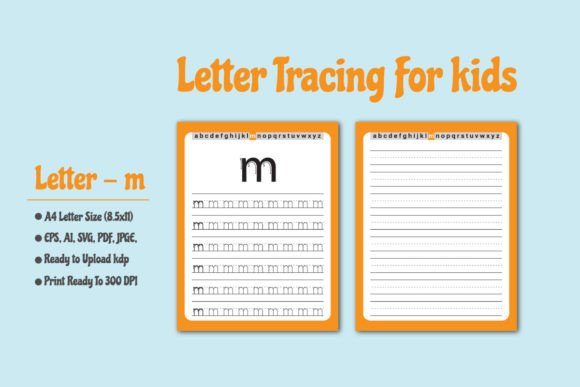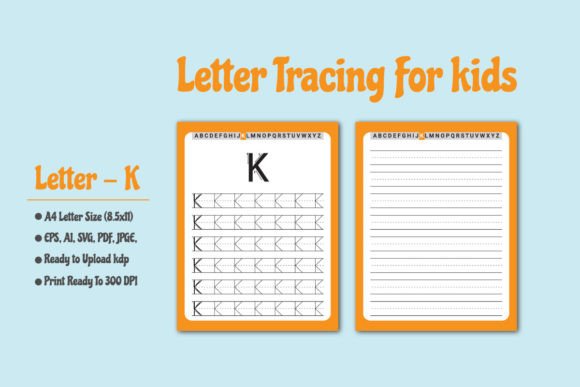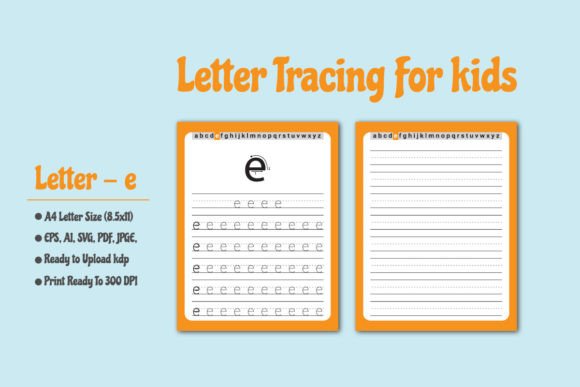
Kids Letter Tracing Worksheet - a
First Impressions: Clean, Calm, and Classroom-Ready
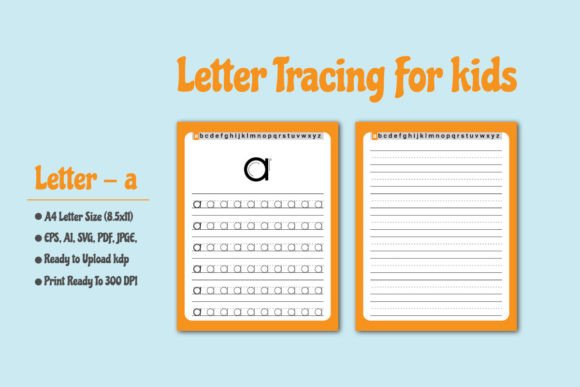
Opening Kids Letter Tracing Worksheet - a feels like stepping into a quiet, sunlit preschool corner — soft but purposeful. The lowercase “a” isn’t flashy or cartoonish; it’s gently rounded, with clear entry and exit strokes, subtle baseline guides, and balanced spacing. It doesn’t scream “fun” — it whispers “focus.” That’s a real strength for embroidery designers who value legibility over loudness, especially when stitching for baby onesies, nursery wall hangings, or personalized learning tools.
Real Project Test: Embroidering a Linen Tea Towel for a Boutique Gift Set
Last week, I used Kids Letter Tracing Worksheet - a as the centerpiece for a custom linen tea towel — part of a small-batch gift set for a local children’s boutique. The goal was gentle educational charm, not novelty. I digitized the outline as a clean satin stitch border with a light fill stitch inside the letter shape (no heavy fills), keeping the design under 3.5" wide to suit standard hoops. On medium-weight linen with tear-away stabilizer, it stitched cleanly — no puckering, no skipped stitches. What stood out wasn’t just clarity, but *recognition*: parents paused mid-browse to trace the “a” with their fingers. That tactile resonance matters — it signals thoughtful design, not just decoration.
Where It Shines (and Where It Asks for Care)
Kids Letter Tracing Worksheet - a excels in projects where simplicity supports function:
- Personalized baby items: Onesies, burp cloths, and muslin swaddles — its open shape avoids dense stitching that stiffens delicate fabric.
- Learning-focused apparel: Sweatshirt cuffs, tote bag corners, or apron pockets where kids (or caregivers) might actually trace along the stitch lines.
- Nursery decor: Pillow covers or framed hoop art — the clean silhouette holds up at small scales without visual noise.
- Digital product bundles: As a standalone SVG or PNG, it slots neatly into printable tracing packs, KDP interiors workbooks, or craft business resource libraries.
But it demands intentionality. Avoid using Kids Letter Tracing Worksheet - a on:
- Stretchy knits (like t-shirt fabric) without cut-away stabilizer — those delicate entry/exit strokes can distort.
- Dark fabrics without testing thread contrast first — fine interior guidelines may vanish unless you choose bright white or pastel threads.
- Curved surfaces like cap fronts — the flat, linear baseline doesn’t adapt well to domed shapes without redigitizing.
- Ultra-small hoops (<2") — the tracing arrows and guide dots shrink into indecipherable specks.
What It Adds to Your Finished Product — Beyond the Stitch
This isn’t just a letter. It’s a quiet signal of care. When customers see Kids Letter Tracing Worksheet - a embroidered on a handmade item, they read intention: “This wasn’t slapped on — it was chosen for purpose.” That builds trust, especially for Etsy sellers and small shop owners marketing developmental toys or Montessori-aligned goods. It elevates a basic tote bag into a learning tool. It turns a plain sweatshirt into a gentle milestone marker (“First Letter Learned!”). And for digital product sellers, its clean vector origins (AI, EPS, SVG) mean easy scaling, color swaps, or bundling with complementary letters — no pixelation, no redraws.
Practical Designer Notes Before You Stitch or Sell
Before committing Kids Letter Tracing Worksheet - a to your next project, do these five things:
- Test on scrap fabric — especially if using textured weaves (like burlap or heavy canvas) or blends with spandex.
- Check stitch density in your embroidery software — avoid heavy fill areas that could overwhelm lightweight fabrics or cause stiffness in baby items.
- Confirm hoop size compatibility — measure the full design width including guide lines, not just the letter itself.
- Review small details in black-and-white mockups — will the baseline dots and arrowheads stay visible on dark backgrounds?
- Verify licensing — since this is listed under Kdp Interiors and categorized as Graphics, confirm whether commercial use (e.g., selling embroidered finished products or reselling digital files) is permitted before listing on Etsy or in your shop.
A Design That Supports — Not Overpowers
In a market flooded with busy, glitter-heavy kids’ designs, Kids Letter Tracing Worksheet - a stands out by doing less — and doing it well. It doesn’t try to be a character, a theme, or a trend. It’s a functional, friendly, quietly confident tool. For embroidery designers building long-term brand consistency — think cohesive nursery collections, teacher gift lines, or literacy-themed craft kits — this design works as a reliable anchor. It pairs naturally with neutral thread palettes, complements natural-fiber fabrics, and never competes with the handmade warmth of your stitching.
Final Thought: Intentional Simplicity Has Its Own Impact
When I packed that linen tea towel into its kraft box with a handwritten note about early literacy, I didn’t just ship a product — I shipped a moment of connection. Kids Letter Tracing Worksheet - a made that possible. It’s not the flashiest embroidery file in your library, but it’s one of the most human. Use it where clarity matters, where calm matters, and where the smallest “a” carries the weight of a child’s first step toward reading. That’s the kind of design that earns repeat customers, heartfelt reviews, and quiet pride in your craft business.