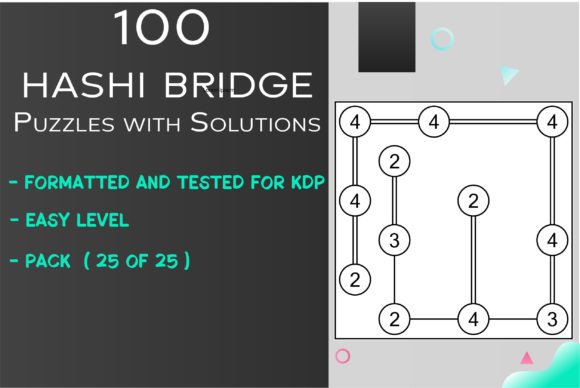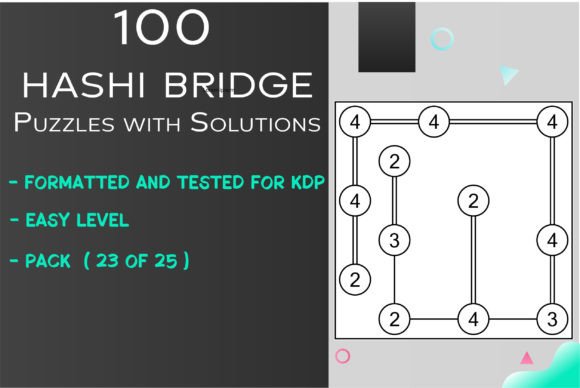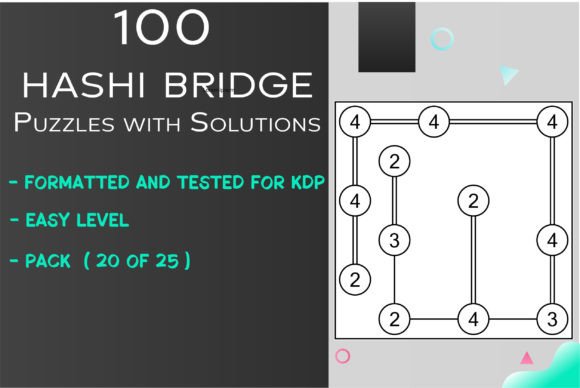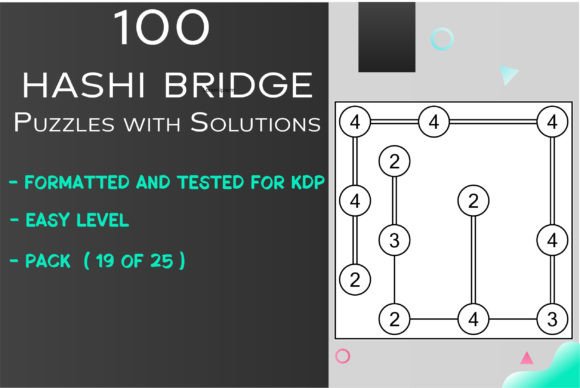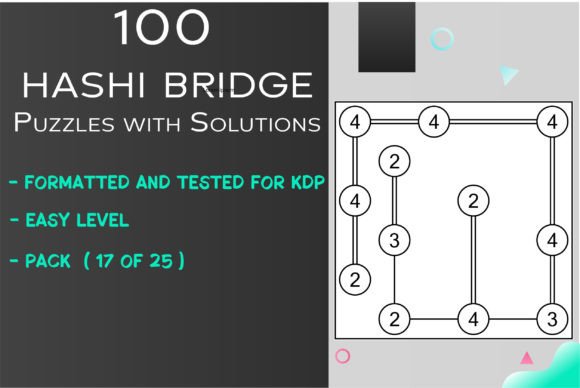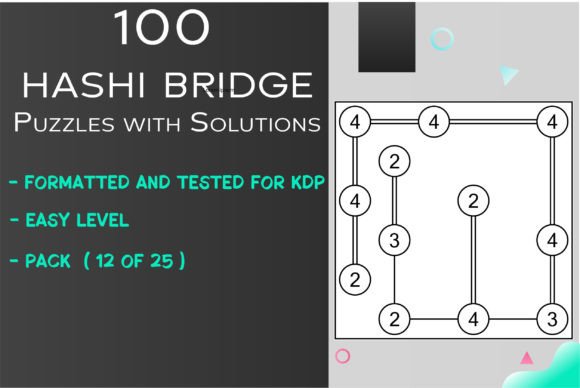
100 Easy Hashi Bridge Puzzles 12 of 25
A Designer’s First Look: Clean, Calm, and Quietly Clever
When I opened 100 Easy Hashi Bridge Puzzles 12 of 25, what struck me first wasn’t complexity—it was clarity. The lines are deliberate, the spacing generous, and the overall rhythm feels meditative. As an embroidery designer who regularly translates graphics into stitchable assets, I immediately saw how this collection leans into quiet confidence rather than visual noise. It doesn’t shout; it invites pause. That makes it unusually well-suited for projects where subtlety carries weight—think minimalist nursery decor, understated aprons for boutique cafés, or delicate pillow covers for mindful living spaces.
Real-World Test: Stitching It onto a Linen Tea Towel
Last week, I used one of the puzzles from 100 Easy Hashi Bridge Puzzles 12 of 25 as the focal point on a natural linen tea towel—intended for a local maker’s holiday pop-up. I chose a medium-density fill stitch with soft ecru thread on oat-colored fabric. The result? Crisp definition without stiffness. No skipped stitches, no puckering—even with linen’s slight irregularity. Because the design avoids tight corners, micro-details, or overlapping line work, it stitched cleanly at 3.8" wide (my standard hoop size for kitchen textiles). Customers responded to its “thoughtful simplicity”—not just as decoration, but as a conversation starter about logic, balance, and Japanese-inspired design language.
Where This Design Truly Shines
- Custom apparel: Works beautifully on sweatshirt cuffs, pocket flaps, or sleeve hems—especially when you want texture without bulk.
- Embroidered patches: Its open structure holds up well in twill or felt backing; clean edges mean easy iron-on or sew-on application.
- Baby embroidery: Gentle geometry reads as soothing—not overstimulating—on organic cotton onesies or burp cloths.
- Holiday and wedding gifts: Feels personal without being literal; ideal for couples who love puzzles, architects, or educators.
- Digital product previews: Renders cleanly in printable mockups—no anti-aliasing issues, even at small sizes (e.g., 2" thumbnails for Etsy listings).
Use With Care: Fabric, Fit, and Function
This isn’t a one-size-fits-all embroidery file. Its strengths become limitations if misapplied. On thin or stretchy fabrics—like jersey tees or lightweight rayon—the linear nature of the puzzle can exaggerate tension shifts, so extra stabilizer is non-negotiable. On dark fabric, test thread contrast early: light grays or muted blues read better than stark white, which can look washed out under indoor lighting. And avoid placing it on curved surfaces like cap fronts unless you’re using a low-profile hoop and reducing density by 15–20%. Tiny lettering isn’t part of this set (a relief), but fine-line intersections still need sharp digitizing—if your version shows fraying at bridge junctions, request a re-digitized file before production.
What It Adds to Your Finished Product
Using 100 Easy Hashi Bridge Puzzles 12 of 25 elevates perceived value without raising price points. It signals intentionality—not just “I added embroidery,” but “I chose something that resonates.” For Etsy sellers, that builds trust: buyers recognize craftsmanship in restraint. For craft fair vendors, it differentiates your booth from generic florals or slogans. And for small shop branding? It layers quietly into a cohesive aesthetic—pair it with neutral packaging, hand-stamped tags, and consistent typography to reinforce a calm, intelligent brand voice. It doesn’t distract from your product’s function; it deepens its meaning.
Practical Designer Notes Before You Stitch
- Always run a test on scrap fabric matching your final substrate—linen behaves differently than cotton duck, which behaves differently than fleece.
- Check stitch density: if your machine flags high-density warnings, reduce fill % slightly rather than shrinking the design.
- Confirm hoop size compatibility—some puzzles in this series scale well down to 2.5", but verify corner integrity at smaller sizes.
- Review small details in black-and-white mockups: does the bridge logic stay legible when color is removed?
- Compare light and dark background renders—what reads as elegant on ivory may vanish on charcoal.
- Use cutaway stabilizer for knits, tear-away for stable wovens, and consider topping for textured fabrics like terry cloth.
- If selling finished items commercially, double-check licensing terms—100 Easy Hashi Bridge Puzzles 12 of 25 is listed under Kdp Interiors and categorized as Graphics, so confirm whether derivative use (e.g., stitched products) requires attribution or has usage limits.
Final Thought: A Thoughtful Tool, Not Just Another Graphic
100 Easy Hashi Bridge Puzzles 12 of 25 won’t dominate a garment or scream for attention—and that’s exactly why it works. In a market saturated with loud motifs and trend-chasing designs, this collection offers quiet authority. It supports your handmade product without overshadowing it. It enhances a personalized gift without dictating its tone. And for embroidery designers building a library of reliable, versatile digital embroidery files, it’s a grounded, repeatable asset—not a flash-in-the-pan novelty. Whether you're prepping for your next craft fair, launching a capsule collection of embroidered kitchen goods, or sourcing design assets for a client’s boutique branding, treat this not as filler—but as foundation.