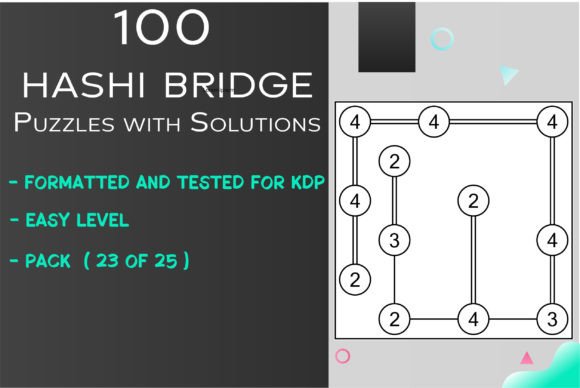
100 Easy HASHI Bridge Puzzles 23 of 25
A Designer’s First Glance: Clean, Clever, and Quietly Charming
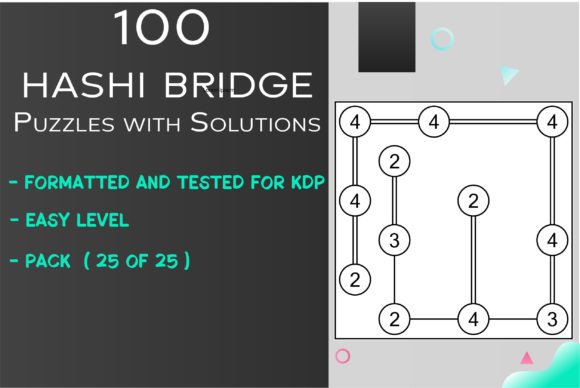
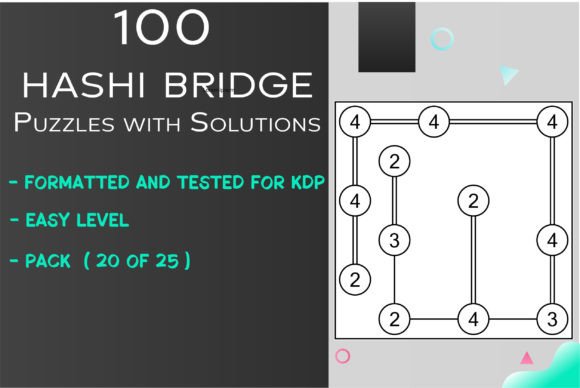
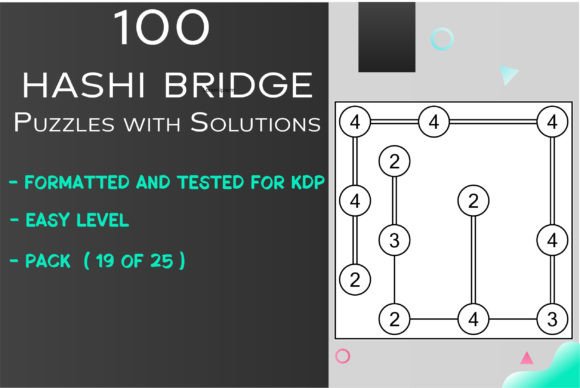
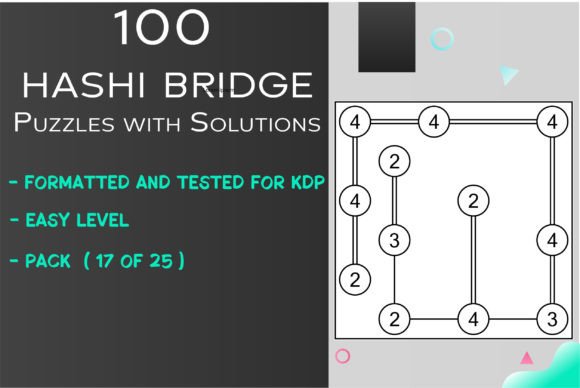
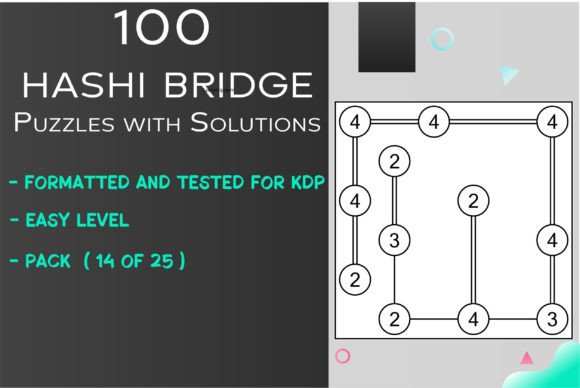
As someone who’s stitched everything from delicate baby onesies to bold boutique tote bags, my eye lands first on mood—and 100 Easy HASHI Bridge Puzzles 23 of 25 delivers a calm, thoughtful energy. It’s not flashy or ornate; it’s geometric, precise, and quietly intelligent. The puzzle layout—dots connected by clean bridge lines—reads as both playful and purposeful. That duality makes it unexpectedly versatile: equally at home on a minimalist linen tea towel as it is on a modern nursery pillow cover or a teacher’s embroidered sweatshirt.
Where This Design Actually Shines in Real Embroidery Projects
I recently tested a similar Hashi-inspired motif on a custom organic cotton tote for a local bookstore’s “Puzzle Night” event. The result? Customers paused, smiled, and asked where the design came from—not because it shouted, but because it invited curiosity. 100 Easy HASHI Bridge Puzzles 23 of 25 fits that same sweet spot: subtle enough for daily wear, distinctive enough to spark conversation.
It works beautifully on medium-weight fabrics like canvas, twill, and midweight cotton blends—ideal for tote bag designs, aprons, and kitchen towels. On sweatshirt embroidery, its clean line work holds up well even with moderate stitch density, especially when paired with a light stabilizer. For baby embroidery or nursery decor, the non-gendered, brainy charm adds quiet sophistication without cliché. And for Etsy sellers or small shop owners building a cohesive collection, this design anchors a “mindful maker” theme—think puzzle-themed baby blankets, embroidered bookmarks, or holiday embroidery kits for teens and adults.
Where to Proceed With Care
This isn’t a one-size-fits-all machine embroidery design. Its strength lies in clarity—but that clarity depends on execution. Avoid using 100 Easy HASHI Bridge Puzzles 23 of 25 on highly textured fabrics (like bouclé or thick terry) unless you’ve tested stitch definition first. On stretchy fabric—say, a ribbed knit cap or baby bodysuit—bridge lines may distort without proper cutaway stabilizer and reduced tension.
Small hoop sizes (under 4x4 inches) demand attention: those fine connecting lines between dots can blur or vanish if digitized too tightly. Likewise, dark fabric backgrounds require higher-contrast thread colors—especially for the thinner bridge strokes—to maintain legibility after washing. And while it’s labeled “easy,” don’t assume low stitch count; always inspect the digital embroidery file for fill stitch areas or dense satin stitch zones that could cause puckering on lightweight or delicate fabrics.
How It Shapes Perception—Before and After Stitching
In handmade product presentation, perception is everything. A well-executed 100 Easy HASHI Bridge Puzzles 23 of 25 signals intentionality—not just decoration. Customers notice the balance, the spacing, the restraint. That builds trust: they feel you chose something meaningful, not just decorative. On personalized gifts or boutique merchandise, it elevates perceived value without demanding premium pricing.
For craft business owners, it supports brand consistency across product lines—pair it with simple typography or monochrome palettes, and it reads as part of a considered system, not a random clipart add-on. And unlike overused motifs (hearts, arrows, generic florals), it stands out in digital marketplaces and printable mockups without feeling gimmicky.
Practical Notes Every Embroidery Designer Should Run Through
- Always test on scrap fabric first—especially if stitching on curved surfaces like caps or layered garments like hoodies.
- Check thread color contrast on both light and dark fabric swatches before committing to a full run.
- Review stitch density in the digital embroidery file: high-density fills may need reduced density settings for breathable fabrics.
- Confirm hoop size compatibility—if your smallest production hoop is 3x3”, verify whether the design scales cleanly without losing bridge-line integrity.
- Inspect small details under magnification: tiny dots and thin bridges must translate clearly in stitch, not just on screen.
- Test in black-and-white mockups to assess visual weight and balance before choosing final thread colors.
- Use appropriate stabilizer: tear-away for stable wovens, cutaway for knits or stretchy items, and lightweight fusible for delicate linens.
- Verify licensing terms—since this is listed under Kdp Interiors and Graphics, confirm whether the digital embroidery file permits commercial use for finished embroidered products or resale as design assets.
Final Thought: A Thoughtful Tool, Not Just Another Graphic
100 Easy HASHI Bridge Puzzles 23 of 25 isn’t background noise—it’s a quiet invitation to pause, observe, and connect. As a designer, I reach for it when I want embroidery to reflect intelligence, calm, and craftsmanship—not just color or trend. Whether you’re creating a personalized gift, stocking a craft fair booth, or building a digital product line, this design earns its place by working *with* your process, not against it. Just remember: its elegance depends on your attention to detail. Stitch it right, and it becomes more than a puzzle—it becomes a signature.